
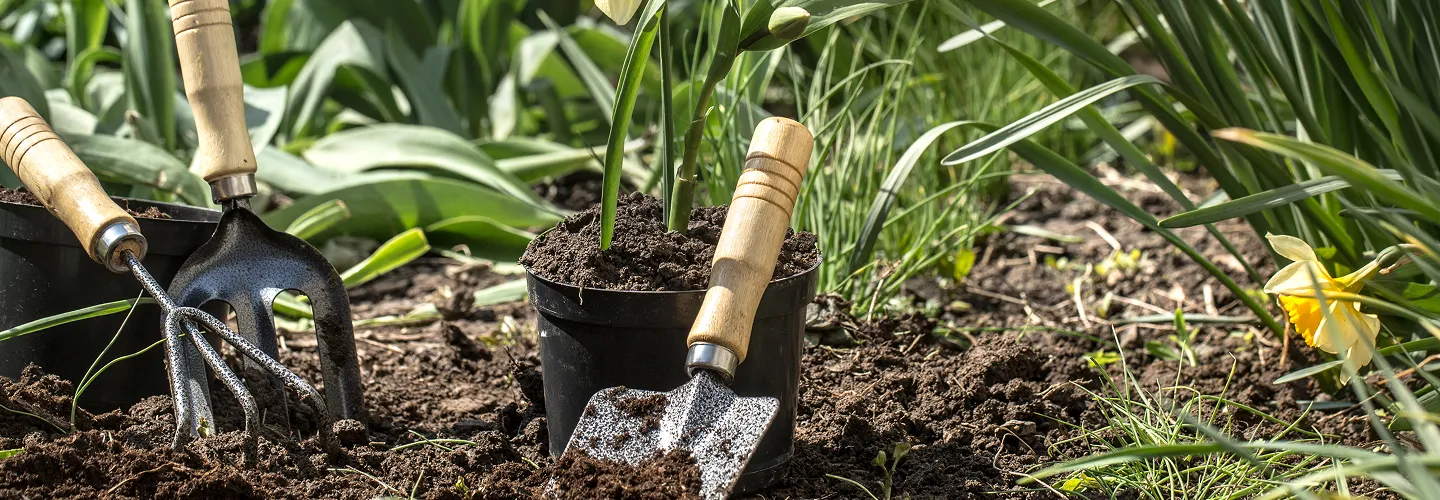
Johns Creek Brush Removal Services
Choose our expert brush removal services for fast, thorough, and eco-friendly clearing that restores your landscape’s beauty and safety—trusted by Johns Creek homeowners for reliable results every time.
Get a Free QuoteOur Johns Creek Landscaping & Yard Care Services
When to Schedule Brush Removal in Johns Creek, Georgia – Seasonal Guide
In Johns Creek, Georgia, timing your brush removal is crucial for maintaining a healthy and attractive landscape. The best periods for this service are typically late winter through early spring and again in late fall, when vegetation is dormant and before new growth begins. This schedule aligns with local frost dates and helps minimize disruption to native plants and wildlife. Neighborhoods like Medlock Bridge and the areas surrounding Newtown Park often experience dense undergrowth due to the region’s humid subtropical climate, which encourages rapid plant growth, especially after the rainy summer months.
Local environmental factors such as high humidity, clay-heavy soils, and shaded lots—common in communities near the Chattahoochee River—can influence both the timing and methods of brush removal. It’s also important to consider municipal guidelines and seasonal drought risks, which may affect when and how debris can be cleared. For more information on local regulations and best practices, consult resources like the Sudbury municipal site.
Local Factors to Consider for Brush Removal in Johns Creek
- Tree density and type of vegetation (e.g., pine vs. hardwood)
- Terrain slope and soil composition (clay soils retain moisture, affecting access)
- Seasonal precipitation patterns and risk of drought
- Shade coverage from mature tree canopies
- Proximity to protected areas or water features
- Municipal restrictions on debris disposal and burning
Benefits of Brush Removal in Johns Creek
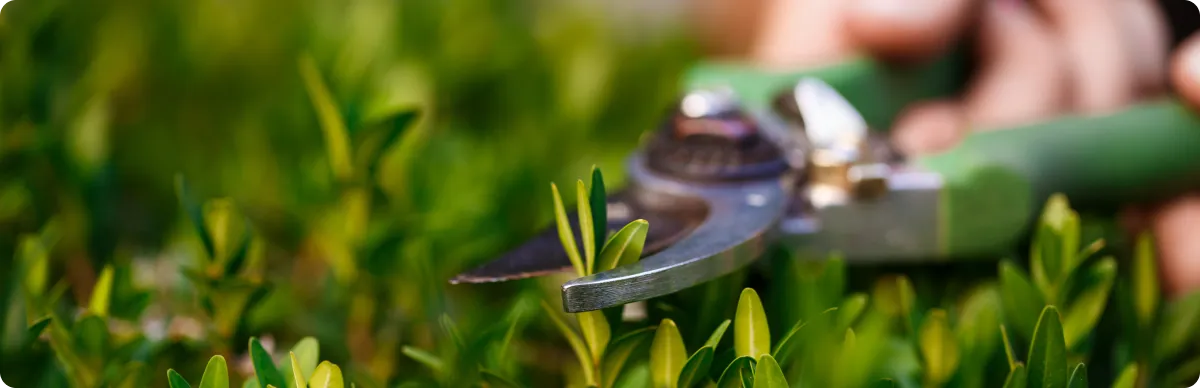
Enhanced Curb Appeal
Improved Lawn Health
Reduced Pest Infestations
Increased Usable Space
Fire Hazard Reduction
Professional and Efficient Service
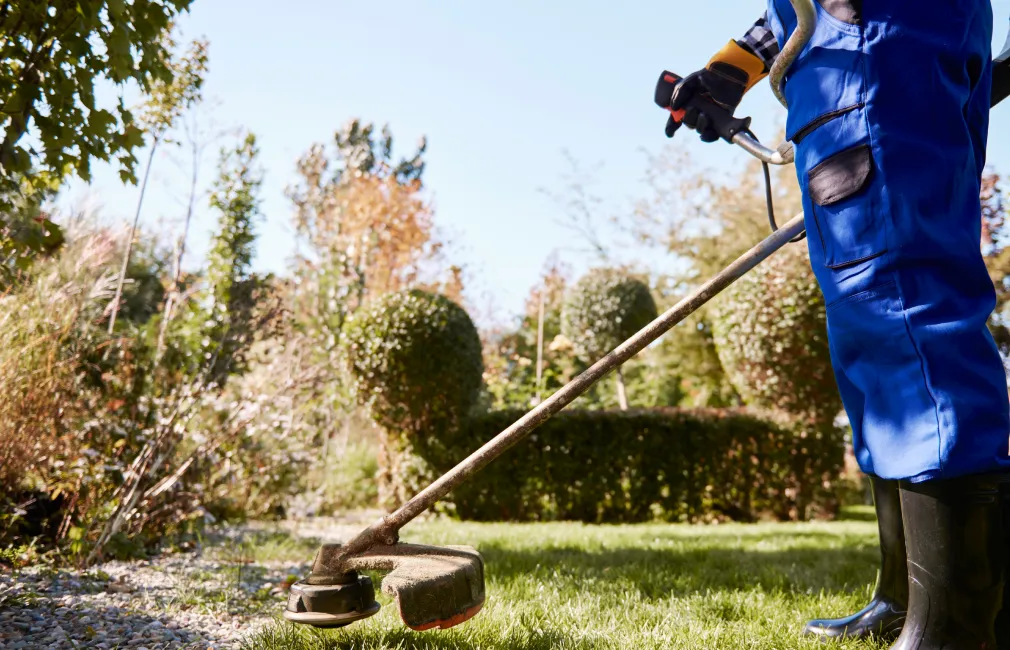
Johns Creek Brush Removal Types

Tree and Shrub Clearing
-
Underbrush Removal
-
Lot and Land Clearing
-
Storm Debris Cleanup
-
Invasive Plant Removal
-
Yard Waste Hauling
-
Vegetation Management
Our Brush Removal Process
Site Evaluation
Safety Preparation
Brush Clearing
Debris Removal
Final Inspection
Why Choose Johns Creek Landscape Services
-
Johns Creek Homeowners Trust Us
-
Expert Lawn Maintenance
-
Reliable Scheduling
-
Competitive Pricing
-
Professional Team
-
Satisfaction Guarantee
-
Personalized Service
Brush Removal Timing and Johns Creek's Piedmont Red Clay Soil Conditions
Johns Creek sits within Georgia's Piedmont region and falls within USDA Hardiness Zone 7b, where warm, humid summers and mild winters support aggressive growth of woody brush, invasive vines, and dense understory vegetation. Soils in the area are predominantly Cecil and Appling series — red clay loams with moderate to poor drainage that become compacted under heavy equipment, particularly on sloped lots. According to the USDA Web Soil Survey, these soils have a naturally acidic pH ranging from 5.0 to 6.0, which favors the establishment of invasive species such as Chinese privet, kudzu, and Japanese honeysuckle. Brush removal is most effective when conducted in late winter (February through early March) before new growth hardens, or in late fall (November through December) after dormancy begins. Avoid heavy mechanical clearing on saturated clay soils, as ground disturbance during wet periods accelerates erosion and compaction. UGA Cooperative Extension recommends timing removal to coincide with low soil moisture to minimize site damage.
Protecting Johns Creek's Stream Corridors During Brush Clearing Operations
Johns Creek contains numerous stream corridors, including tributaries of the Chattahoochee River, McGinnis Ferry Road drainage areas, and smaller unnamed creeks running through residential neighborhoods. These waterways are subject to state-mandated stream buffer protections under Georgia's Erosion and Sedimentation Act, which generally requires a 25-foot undisturbed buffer from the top of the stream bank on most properties, with a 50-foot buffer applicable in certain jurisdictions. Property owners conducting brush removal near these corridors must avoid disturbing vegetation within the protected buffer zone without prior authorization. The Georgia EPD Watershed Protection Branch oversees compliance with these standards statewide. Locally, the Johns Creek Water Quality Conservation program monitors stream health and stormwater impacts. Brush debris must not be deposited into drainage channels, detention ponds, or storm inlets, as this constitutes a violation of the Clean Water Act and local stormwater ordinances. Silt fencing or erosion barriers should be installed on slopes before clearing begins.
Johns Creek Water Quality Conservation
11360 Lakefield Drive, Johns Creek, GA 30097
Phone: (678) 512-3200
Official Website: Johns Creek Water Quality Conservation
Navigating Johns Creek's Code Compliance Standards for Overgrown Brush and Vegetation
Johns Creek enforces property maintenance standards through its Community Development Department, which addresses nuisance vegetation, overgrown lots, and brush accumulation that may violate local code. Properties with unchecked brush growth that obstructs sightlines, encroaches on public rights-of-way, or creates fire or pest hazards may be subject to code enforcement action. Residents and property managers should be aware of the following compliance considerations:
- Brush and vegetation must not obstruct sidewalks, roadway sightlines, or drainage easements
- Overgrown lots in residential zones may trigger nuisance complaints and formal notices
- Brush piles left on-site for extended periods may violate solid waste or nuisance ordinances
- Frontage areas along public roads must be maintained to city standards
Property owners who receive a code notice should respond promptly and document removal efforts. The Johns Creek Community Development Department handles zoning-related vegetation concerns and can clarify applicable standards for specific parcels. Confirm current thresholds and notice procedures directly with the department.
Johns Creek Community Development
11360 Lakefield Drive, Johns Creek, GA 30097
Phone: (678) 512-3200
Official Website: Johns Creek Community Development
Brush Debris Disposal and Johns Creek Public Works Coordination
Proper disposal of brush debris is a critical component of any removal project in Johns Creek. The city coordinates residential yard waste and brush collection through its public works infrastructure, and residents should verify current collection schedules and placement requirements directly with the department, as schedules may vary by zone or season. General disposal guidance for brush removal projects includes:
- Bundle woody brush in manageable lengths (typically no longer than 4 feet) and place at the curb on designated collection days
- Do not mix brush with household garbage or recyclables
- Large-volume brush loads from land clearing or storm cleanup may require separate coordination or private hauling
- Chipping or mulching brush on-site is an environmentally sound alternative that reduces disposal volume and improves soil organic matter
For projects generating significant debris volumes, property owners may need to arrange private green waste hauling or contact the Johns Creek Public Works Department to confirm whether bulk pickup or drop-off options are available. Burning brush is generally restricted within city limits; confirm current open-burning rules with the Johns Creek Fire Department before any on-site burning is considered.
Johns Creek Public Works Department
11360 Lakefield Drive, Johns Creek, GA 30097
Phone: (678) 512-3200
Official Website: Johns Creek Public Works Department
Invasive Species Identification and Removal Standards in Johns Creek Landscapes
Johns Creek's wooded residential corridors and creek-adjacent lots are particularly vulnerable to invasive brush species that spread aggressively in Georgia's Piedmont climate. UGA Extension's Invasive Species program identifies the following as high-priority targets for removal in North Georgia landscapes:
- Chinese privet (Ligustrum sinense): Extremely common in Johns Creek understories; spreads by bird-dispersed seed and root sprouting
- Kudzu (Pueraria montana): Rapid-growing vine that overtakes trees, fences, and structures; requires repeated cutting and root treatment
- Japanese honeysuckle (Lonicera japonica): Twining vine that smothers native shrubs and groundcovers
- Multiflora rose (Rosa multiflora): Thorny shrub forming dense thickets in disturbed areas and woodland edges
Effective removal of these species typically requires multiple treatment cycles. Cutting alone rarely eliminates established root systems; follow-up monitoring over one to three growing seasons is standard practice. Herbicide application for invasive brush control may require a licensed applicator under Georgia Department of Agriculture regulations. Confirm licensing requirements at Georgia Department of Agriculture - Licensing, Certification and Employee Registration.
What Neighborhoods Do We Serve Throughout Johns Creek, GA?
- Medlock Bridge: A well-established subdivision with mature tree canopy and creek-adjacent lots along Medlock Bridge Road; brush removal in this area often involves invasive vine management along wooded rear property lines and drainage corridors.
- Shakerag: Features a mix of older wooded lots and newer development; red clay soils and sloped terrain create erosion risk during brush clearing, requiring careful debris containment.
- Abbotts Bridge: Residential properties near the Chattahoochee River corridor face heightened stream buffer compliance requirements; brush removal must account for protected riparian zones.
- Technology Park / State Bridge Road Corridor: A mixed-use and residential area where frontage maintenance and right-of-way brush control are subject to city code standards.
- Parsons Run and Bellmoore Park: Newer subdivisions with HOA-maintained common areas and wooded buffers; brush removal in these communities often involves coordination with HOA guidelines alongside city standards.
- Ocee: A transitional area with larger residential lots and significant wooded cover; invasive species pressure is high, and lot-scale brush clearing may involve multiple removal cycles across seasonal windows.