
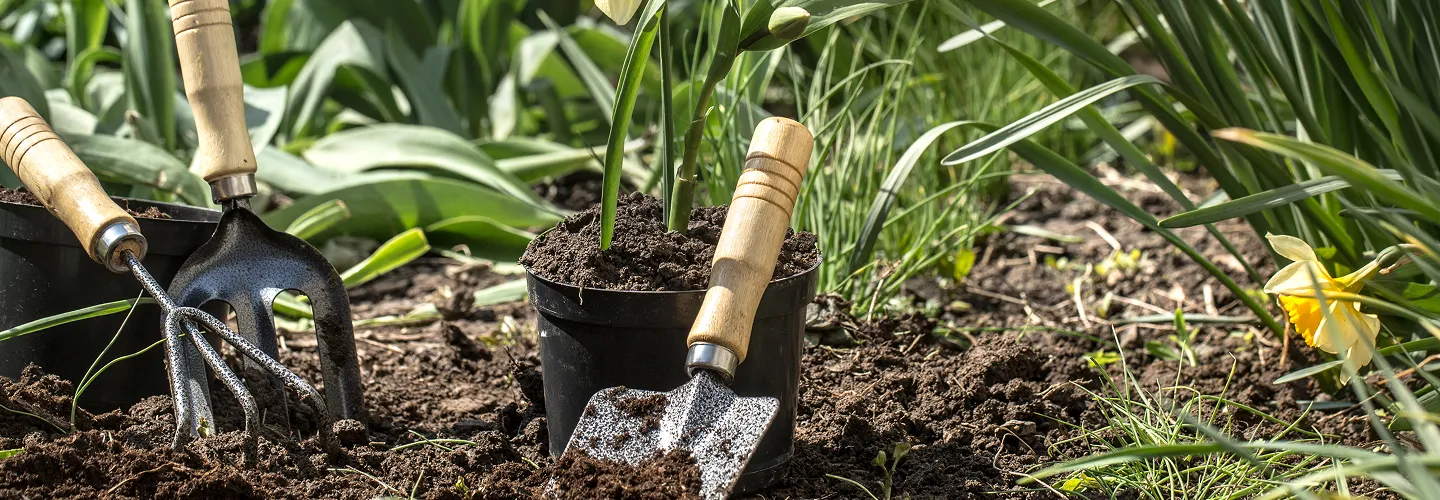
Johns Creek Flower Planting Services
Choose our flower planting services for vibrant, healthy blooms that enhance your home's curb appeal and create a welcoming outdoor oasis, all handled by experienced professionals who care about your satisfaction.
Get a Free QuoteOur Johns Creek Landscaping & Yard Care Services
When to Schedule Flower Planting in Johns Creek, Georgia – Seasonal Guide
Flower planting in Johns Creek, Georgia, is best scheduled with careful attention to our region’s unique climate and landscape. The ideal planting windows are typically early spring (late March to mid-April) and early fall (late September to October), when soil temperatures are moderate and rainfall is more predictable. These periods allow new blooms to establish strong roots before the heat of summer or the chill of winter sets in. Neighborhoods like Medlock Bridge and the areas surrounding Newtown Park often experience microclimates due to varying tree coverage and proximity to the Chattahoochee River, which can influence planting success.
Local environmental factors play a significant role in determining the best time for flower planting. For example, Johns Creek’s last average frost date is usually in early April, so planting too soon can risk frost damage, while waiting too late may expose young plants to high humidity and drought risk. Soil in areas like Shakerag and near the Autrey Mill Nature Preserve tends to be clay-heavy, requiring amendments for optimal drainage. Additionally, municipal guidelines and resources, such as those found on the Sudbury town website, can provide helpful information on local planting restrictions and best practices.
Local Factors to Consider for Flower Planting in Johns Creek
- Tree density and shade coverage in your yard
- Soil type and drainage, especially in clay-rich neighborhoods
- Average frost dates and risk of late cold snaps
- Summer drought risk and irrigation availability
- Terrain and elevation changes affecting water runoff
- Precipitation patterns throughout the year
- Municipal restrictions or HOA guidelines on landscaping
Benefits of Flower Planting in Johns Creek
Expert Local Knowledge
Customized Landscape Designs
Seasonal Plant Selection
Enhanced Curb Appeal
Professional Installation
Ongoing Maintenance Support
Johns Creek Flower Planting Types

Annual Flower Planting
-
Perennial Flower Beds
-
Native Wildflower Gardens
-
Seasonal Color Rotations
-
Pollinator-Friendly Plantings
-
Shade Garden Flowers
-
Drought-Tolerant Flower Beds
Our Flower Planting Process
Site Evaluation
Soil Preparation
Plant Selection
Careful Planting
Watering and Mulching
Why Choose Johns Creek Landscape Services
-
Johns Creek Homeowners Trust Us
-
Expert Lawn Maintenance
-
Reliable Scheduling
-
Competitive Pricing
-
Professional Team
-
Satisfaction Guarantee
-
Personalized Service
Planting Windows and Seasonal Timing for Johns Creek Flower Beds
Johns Creek, Georgia falls within USDA Hardiness Zone 7b, supporting a long warm-season growing window that extends from early spring through late fall. For annual flower installation, the primary planting windows are:
- Spring annuals (pansies, snapdragons, dianthus): transplant from late February through mid-April, once overnight temperatures consistently remain above 35°F
- Summer annuals (impatiens, vinca, marigolds, zinnias): install after the last average frost date, typically mid-March to early April in Fulton County
- Fall color rotations (ornamental kale, mums, asters): begin installation in late September through October as daytime highs drop below 80°F
UGA Cooperative Extension recommends soil temperatures above 60°F for warm-season transplants to establish root systems effectively. Johns Creek's humid subtropical climate means summer heat stress can affect newly installed plants if watering schedules are not maintained during the first two to three weeks after planting. Verify current seasonal frost data with the National Weather Service Atlanta forecast office before scheduling large-scale installations.
Johns Creek Red Clay Soils and Bed Preparation for Flower Planting
Johns Creek sits within Georgia's Piedmont physiographic region, where soils are predominantly Ultisols — specifically Cecil and Appling series red clay loams identified through the USDA Web Soil Survey. These soils present specific challenges for flower bed establishment:
- Drainage limitation: Cecil clay loam has low permeability, causing water to pool in low-lying beds and promoting root rot in poorly adapted species
- Compaction: Urban development and foot traffic compact Piedmont clay, reducing pore space and limiting root penetration beyond 6–8 inches without amendment
- pH range: Native soils typically test between 5.5 and 6.5, which suits most flowering annuals and perennials but may require lime adjustment for alkaline-preferring species
Recommended bed preparation practices include incorporating 3–4 inches of compost tilled to a depth of 8–10 inches, installing raised bed structures where drainage is severely limited, and conducting a soil test through UGA Cooperative Extension before amending. Soil test kits are available through the UGA Extension Fulton County office, with results typically returned within two weeks.
Protecting Johns Creek Streams and Stormwater Infrastructure During Flower Planting
Johns Creek contains numerous stream corridors, including portions of the Chattahoochee River watershed, McGinnis Ferry Road drainage areas, and smaller tributaries flowing through residential neighborhoods. Flower planting activities near these features require attention to runoff and sediment control. The Johns Creek Water Quality Conservation program administers local stormwater protection initiatives aligned with Georgia EPD Watershed Protection Branch standards and the Clean Water Act.
Practical precautions for planting near drainage features include:
- Maintain a minimum 25-foot undisturbed buffer from stream banks when installing new beds, consistent with Georgia's stream buffer protection requirements
- Avoid applying granular fertilizers or soil amendments within 10 feet of storm drain inlets
- Use erosion control matting or temporary silt barriers on slopes greater than 5% during bed installation
- Limit bare soil exposure to no more than 24 hours before mulching newly planted areas
Johns Creek Water Quality Conservation
11360 Lakefield Drive, Johns Creek, GA 30097
Phone: (678) 512-3200
Official Website: Johns Creek Water Quality Conservation
Selecting Heat- and Humidity-Tolerant Flowers for Johns Creek Landscapes
Johns Creek's summer climate — characterized by average July highs near 90°F, relative humidity frequently exceeding 70%, and periodic drought stress between rainfall events — demands careful plant selection for sustained seasonal color. Species that perform reliably under these conditions include:
- Full sun beds: Vinca (Catharanthus roseus), portulaca, lantana, pentas, and gaillardia tolerate heat and moderate drought once established
- Part shade to full shade beds: Impatiens (downy mildew-resistant varieties), caladiums, begonias, and torenia perform well under the mature tree canopy common in older Johns Creek subdivisions
- Native and adapted perennials: Black-eyed Susan (Rudbeckia hirta), coneflower (Echinacea purpurea), and native phlox support pollinators and require minimal supplemental irrigation after establishment
The Johns Creek Sustainability program encourages the use of native and regionally adapted plants as part of the city's broader environmental conservation goals. Avoid planting invasive ornamentals such as English ivy, Chinese wisteria, or Bradford pear cultivars, which are flagged by UGA Extension - Invasive Species as problematic in North Georgia landscapes.
Johns Creek Sustainability
11360 Lakefield Drive, Johns Creek, GA 30097
Phone: (678) 512-3200
Official Website: Johns Creek Sustainability
Mulching Standards and Bed Maintenance Compliance in Johns Creek
Proper mulching is essential for moisture retention, weed suppression, and soil temperature regulation in Johns Creek's Piedmont clay beds. Standard mulching guidelines applicable to residential and commercial flower beds include:
- Apply 2–3 inches of shredded hardwood or pine bark mulch over planted beds; avoid exceeding 4 inches, which can restrict oxygen exchange and promote fungal disease
- Maintain a 2–3 inch clearance between mulch and plant stems or crowns to prevent crown rot, particularly for annuals susceptible to Botrytis and Pythium in humid conditions
- Refresh mulch layers in early spring (March) and again in early fall (September) to maintain consistent depth as material decomposes
- Do not pile mulch against structures, fences, or tree trunks, which can violate property maintenance standards under Johns Creek's code compliance framework
Mulch materials should be sourced from reputable suppliers to avoid introducing weed seeds or pathogens. The Johns Creek Community Development department oversees property maintenance standards that may apply to commercial properties and HOA-governed communities. Residents with questions about frontage bed maintenance requirements in zoning-regulated areas should verify current standards with the Johns Creek Zoning office.
Johns Creek Community Development
11360 Lakefield Drive, Johns Creek, GA 30097
Phone: (678) 512-3200
Official Website: Johns Creek Community Development
What Neighborhoods Do We Serve Throughout Johns Creek, GA?
- Medlock Bridge: A well-established subdivision with mature tree canopy and shaded bed conditions; impatiens, caladiums, and shade-tolerant perennials are well-suited to this area's filtered light environments.
- Shakerag: Features a mix of wooded lots and open lawns with red clay subsoil; bed preparation typically requires significant organic amendment to improve drainage before flower installation.
- Parsons Run: A newer development with fill soils common to post-2000 construction; compaction testing is advisable before establishing deep-rooted perennial beds.
- Abbotts Bridge: Located near stream corridors draining toward the Chattahoochee watershed; stormwater buffer awareness is particularly relevant for beds installed near rear-yard drainage features.
- Technology Park / State Bridge Road Corridor: Mixed residential and commercial properties with frontage bed requirements governed by Johns Creek zoning standards; compliance with landscape maintenance codes applies to commercial parcels.
- Ocee: A transitional area with older residential lots and established ornamental plantings; soil pH variability is common, and soil testing is recommended before introducing new flower species.