
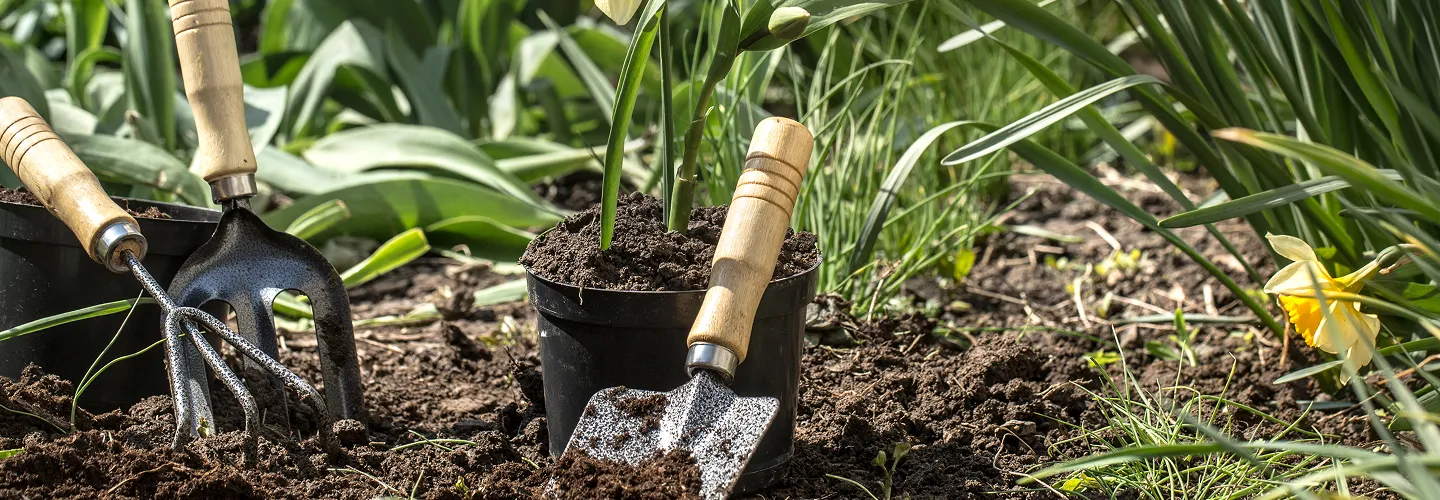
Johns Creek Green Waste Disposal Services
Choose our Green Waste Disposal for reliable, environmentally responsible service that keeps your property clean and supports a healthier community.
Get a Free QuoteOur Johns Creek Landscaping & Yard Care Services
When to Schedule Green Waste Disposal in Johns Creek, Georgia – Seasonal Guide
In Johns Creek, Georgia, the best times to schedule green waste disposal are closely tied to our region’s unique climate and landscape. With warm, humid summers and mild winters, most homeowners find that late spring and early fall are optimal for clearing yard debris. These periods align with the end of the growing season and the start of leaf drop, making it easier to manage accumulated branches, leaves, and clippings. Neighborhoods like Medlock Bridge and the areas surrounding Newtown Park often experience heavy leaf fall and rapid plant growth, which can quickly lead to excess green waste if not managed seasonally.
Local environmental factors such as the last frost date (typically late March), summer drought risk, and the prevalence of shaded lots in subdivisions like St. Ives and Country Club of the South all play a role in determining the right time for disposal. Soil types in Johns Creek, ranging from clay-heavy to well-drained loam, also affect how quickly organic debris breaks down. For more information on local environmental guidelines, visit the Sudbury municipal resource.
Local Factors to Consider for Green Waste Disposal in Johns Creek
- Tree density and species (oak, pine, and maple are common)
- Terrain and yard slope, especially near the Chattahoochee River
- Seasonal precipitation and humidity levels
- Municipal restrictions on disposal dates and methods
- Proximity to parks and protected green spaces
- Shade coverage impacting debris accumulation
- Soil drainage and composition
Benefits of Green Waste Disposal in Johns Creek
Eco-Friendly Landscaping Solutions
Efficient Green Waste Removal
Promotes Healthy Lawns and Gardens
Reduces Landfill Waste
Supports Local Sustainability
Convenient Scheduling Options
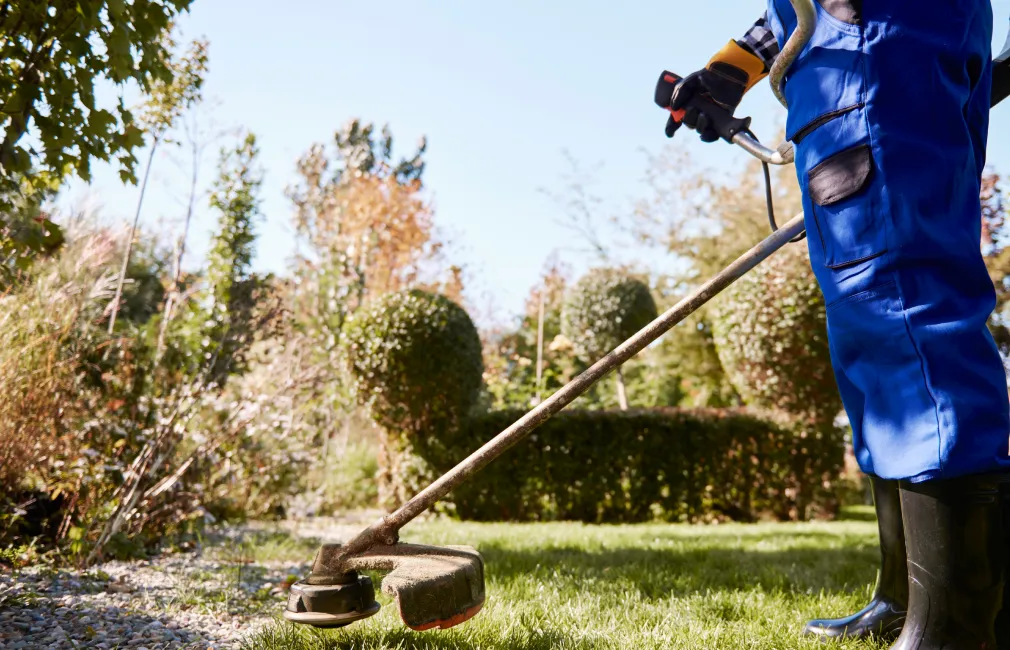
Johns Creek Green Waste Disposal Types

Grass Clippings
-
Tree Branches
-
Leaves and Foliage
-
Shrub Trimmings
-
Garden Plants
-
Mulch and Wood Chips
-
Weeds and Yard Debris
Our Green Waste Disposal Process
Collection of Green Waste
Sorting and Separation
Transport to Disposal Facility
Eco-Friendly Processing
Why Choose Johns Creek Landscape Services
-
Johns Creek Homeowners Trust Us
-
Expert Lawn Maintenance
-
Reliable Scheduling
-
Competitive Pricing
-
Professional Team
-
Satisfaction Guarantee
-
Personalized Service
Johns Creek Public Works Green Waste Collection Procedures and Scheduling
Johns Creek residents managing yard debris must coordinate disposal through the city's established collection framework. The Johns Creek Public Works Department oversees municipal infrastructure services that include coordination of waste and debris management programs. Green waste — including grass clippings, leaves, brush, and small branches — must be prepared according to current city guidelines before placement at the curb. Residents should verify current collection schedules directly with the department, as pickup windows may vary by zone or season. General preparation standards typically include:
- Bagging loose organic material such as clippings and leaves in biodegradable or approved containers
- Bundling brush and limb sections to lengths no greater than 4 feet and diameters manageable for collection crews
- Placing materials at the right-of-way edge without blocking storm drains, sidewalks, or roadway travel lanes
- Avoiding mixing green waste with household trash or construction debris
Johns Creek Public Works Department
11360 Lakefield Drive, Johns Creek, GA 30097
Phone: (678) 512-3200
Official Website: Johns Creek Public Works Department
Protecting Johns Creek Streams and Stormwater Inlets During Green Waste Removal
Johns Creek is situated within the Upper Chattahoochee River watershed, a region of significant environmental sensitivity. The city contains multiple stream corridors, including tributaries flowing toward the Chattahoochee River, as well as detention ponds and drainage features throughout residential subdivisions. Improper green waste disposal — particularly dumping clippings, leaves, or brush near drainage inlets, ditches, or stream banks — contributes to nutrient loading, sediment accumulation, and blockages that degrade local water quality. The Johns Creek Water Quality Conservation program actively promotes stream stewardship and environmental education for residents. Compliance with the Clean Water Act and local stormwater ordinances requires that organic debris not be deposited within stream buffers or near stormwater infrastructure. Practical precautions include:
- Keeping all green waste at least 50 feet from stream banks and wetland edges where buffer rules apply
- Sweeping or blowing clippings away from curb inlets before collection day
- Never discharging grass clippings or leaf piles directly into drainage ditches
Johns Creek Water Quality Conservation
11360 Lakefield Drive, Johns Creek, GA 30097
Phone: (678) 512-3200
Official Website: Johns Creek Water Quality Conservation
Johns Creek Sustainability Programs and Organic Waste Diversion Options
The Johns Creek Sustainability office supports environmental programs that encourage residents to reduce the volume of green waste entering the municipal collection stream. Composting yard debris on-site is one of the most effective diversion strategies available to property owners in Johns Creek. Grass clippings, leaves, and small plant trimmings decompose efficiently in backyard compost systems, particularly given the city's USDA Hardiness Zone 7b climate, which supports active microbial decomposition from April through October. Mulching mower attachments can also return clippings directly to turf, reducing both disposal volume and the need for supplemental fertilizer. Key sustainability practices for green waste management include:
- Establishing a compost bin or pile in a well-drained area away from property lines and water features
- Layering brown material (dried leaves, straw) with green material (clippings, trimmings) at approximately a 3:1 ratio by volume
- Turning compost every 2–4 weeks during warm months to accelerate decomposition
- Using finished compost as a soil amendment in planting beds, consistent with guidance from UGA Cooperative Extension
Red Clay Soils, Leaf Load, and Seasonal Green Waste Volume in Johns Creek
Johns Creek lies within Georgia's Piedmont region, where soils are predominantly Cecil and Appling series — dense red clay and clay-loam profiles with limited natural drainage and a tendency toward surface compaction. According to the USDA Web Soil Survey, these soils have low permeability, meaning that decomposing organic matter left on the surface can contribute to runoff rather than infiltrating. The city's mature tree canopy — including significant populations of white oak, red oak, sweetgum, and tulip poplar — generates substantial leaf fall from October through December, creating peak green waste volumes that can overwhelm standard collection schedules. Property owners should plan accordingly:
- Begin leaf collection and bagging in early October before peak drop in November
- Avoid allowing large leaf accumulations to mat over turf, which can suffocate warm-season grasses such as bermudagrass and zoysiagrass
- Schedule multiple collection placements across the fall season rather than a single large deposit
- Consult the National Weather Service Atlanta forecast office for storm timing that may accelerate debris accumulation
Georgia EPD Compliance and Green Waste Disposal Near Johns Creek Wetlands
Georgia's Environmental Protection Division (Georgia EPD) administers water quality standards and watershed protection programs that directly affect how green waste is managed near sensitive natural areas. The Georgia EPD Watershed Protection Branch establishes guidelines for protecting stream corridors and wetland systems from nutrient and sediment inputs associated with organic debris. In Johns Creek, properties adjacent to the Chattahoochee River corridor, McGinnis Ferry Road wetland areas, and interior subdivision drainage features are subject to state-level buffer requirements under the Georgia Erosion and Sedimentation Act and local ordinances. Residents and property managers must ensure that:
- Green waste is not deposited within the 25-foot or 50-foot stream buffer zones applicable under Georgia law, depending on stream classification
- Leaf blowing and debris clearing operations do not direct material toward wetland edges or detention pond banks
- Large-volume debris removal projects near sensitive areas are reviewed for compliance with Georgia EPD Water Conservation standards before work begins
What Neighborhoods Do We Serve Throughout Johns Creek, GA?
- Medlock Bridge: A well-established subdivision with mature oak and sweetgum canopy generating high leaf volumes each fall; proximity to the Chattahoochee River corridor requires careful debris placement away from stream buffer zones.
- Shakerag: Features a mix of wooded lots and open residential areas with Piedmont red clay soils that limit drainage; green waste accumulation near low-lying areas can contribute to localized runoff issues.
- Abbotts Bridge: A densely developed area with HOA-maintained common spaces and tight right-of-way access; proper curb placement of bundled brush is essential to avoid blocking travel lanes.
- Parsons Run: Includes properties with mature tree cover and interior drainage features; residents should monitor storm drain proximity when staging green waste for collection.
- Technology Park corridor: A mixed-use and residential transition zone where commercial and residential green waste volumes intersect; disposal coordination with the Public Works Department is particularly important during high-growth seasons.
- Bellmoore Park: A newer subdivision with fill soils and developing tree canopy; green waste volumes are currently lower but increase as landscaping matures, requiring residents to establish early disposal habits consistent with city guidelines.