
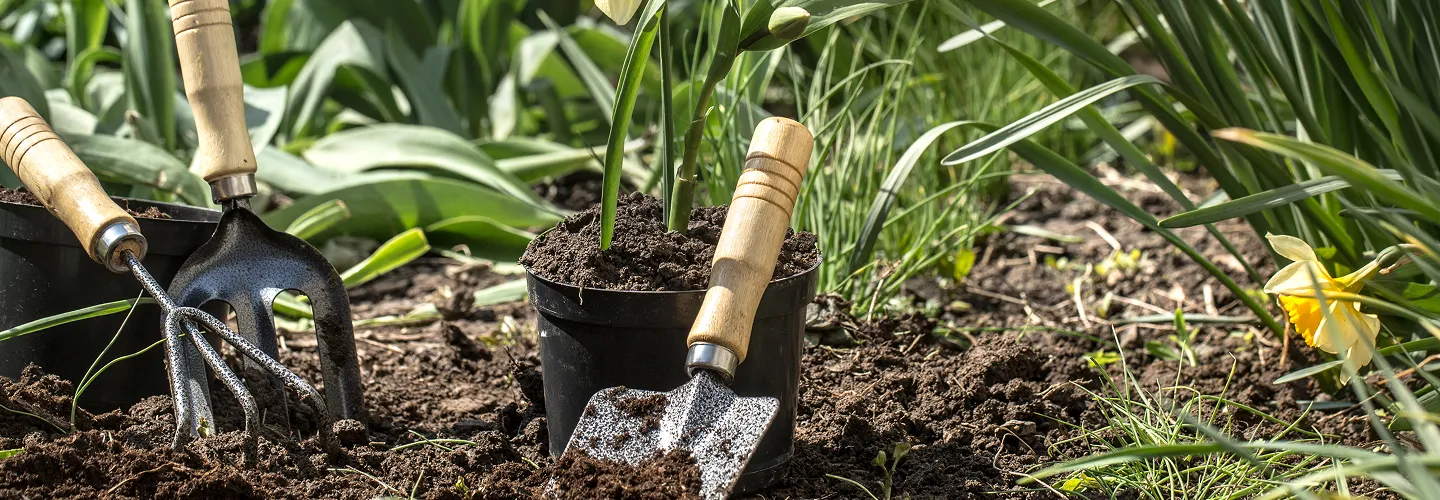
Johns Creek Flower Bed Maintenance Services
Choose our Flower Bed Maintenance for expert care that keeps your garden blooming, weed-free, and healthy all season long—so you can enjoy stunning curb appeal without the hassle.
Get a Free QuoteOur Johns Creek Landscaping & Yard Care Services
When to Schedule Flower Bed Maintenance in Johns Creek, Georgia – Seasonal Guide
In Johns Creek, Georgia, the best times for flower bed maintenance are closely tied to our region’s unique climate and landscape. Early spring, just after the last frost date, is ideal for prepping beds, mulching, and planting annuals, while late fall is perfect for cutting back perennials and preparing for winter. The city’s humid subtropical climate means that summer maintenance should focus on weed control and irrigation, especially in neighborhoods like Medlock Bridge and near the Chattahoochee River, where soil moisture and shade coverage can vary significantly.
Local environmental factors such as the risk of late spring frosts, periods of summer drought, and the heavy clay soils common in Johns Creek all play a role in determining the optimal maintenance schedule. Homeowners should also consider municipal guidelines and neighborhood covenants, which may affect when and how certain tasks can be performed. For more information on local regulations, visit the official city resource.
Local Factors to Consider for Flower Bed Maintenance in Johns Creek
- Tree density and shade coverage, especially in established neighborhoods like Rivermont
- Soil type (clay-heavy soils require different care than sandy or loamy soils)
- Seasonal precipitation patterns and drought risk
- Proximity to water features or flood-prone areas
- Municipal restrictions or HOA guidelines
- Terrain and slope, which can affect drainage and erosion
- Timing of local frost dates and temperature swings
Benefits of Flower Bed Maintenance in Johns Creek
Enhanced Curb Appeal
Weed and Pest Prevention
Healthier Plant Growth
Seasonal Color Management
Professional Landscape Expertise
Time and Effort Savings
Johns Creek Flower Bed Maintenance Types

Seasonal Flower Planting
-
Weed Control Services
-
Mulch Installation
-
Soil Amendment
-
Edging and Trimming
-
Fertilization Programs
-
Pest and Disease Management
Our Flower Bed Maintenance Process
Site Evaluation
Weed Removal
Soil Preparation
Plant Care
Mulching
Why Choose Johns Creek Landscape Services
-
Johns Creek Homeowners Trust Us
-
Expert Lawn Maintenance
-
Reliable Scheduling
-
Competitive Pricing
-
Professional Team
-
Satisfaction Guarantee
-
Personalized Service
Johns Creek's Piedmont Red Clay Soils and Flower Bed Drainage Management
Johns Creek sits within Georgia's Piedmont region, where soils are predominantly Cecil and Appling series — dense, red clay-based Ultisols with naturally low permeability and a pH typically ranging from 5.0 to 6.0. According to the USDA Web Soil Survey, these compacted clay profiles drain slowly, creating standing water conditions in flower beds during Johns Creek's frequent summer rain events. Property owners maintaining ornamental beds should take the following steps to address drainage limitations:
- Amend bed soil with 3–4 inches of compost worked to a depth of 8–10 inches before planting
- Raise bed grades 4–6 inches above surrounding grade to encourage surface drainage away from plant crowns
- Avoid clay-heavy backfill when establishing new beds adjacent to structures or hardscape
- Test soil pH annually; most ornamental perennials and shrubs perform best between 5.5 and 6.5
UGA Cooperative Extension publishes soil amendment guidance specific to Piedmont clay conditions and can assist with interpreting soil test results from the University of Georgia's soil testing laboratory.
Seasonal Flower Bed Maintenance Timing for Johns Creek's USDA Zone 7b Climate
Johns Creek falls within USDA Plant Hardiness Zone 7b, with average minimum winter temperatures between 5°F and 10°F. This zone designation, combined with the city's humid subtropical climate, creates a long but punctuated growing season that requires careful timing of flower bed maintenance tasks. The National Weather Service Atlanta forecast office monitors temperature and precipitation patterns directly relevant to Johns Creek's growing conditions. Key seasonal maintenance windows include:
- Late February–March: Remove winter mulch from perennial beds once nighttime temperatures consistently exceed 32°F; divide and replant overcrowded perennials before new growth emerges
- April–May: Apply 2–3 inches of fresh mulch after soil warms to 60°F; install warm-season annuals after the average last frost date (mid-March to early April for Johns Creek)
- June–August: Monitor for heat stress, fungal pressure, and irrigation needs during peak humidity months
- October–November: Cut back spent perennials, apply winter mulch layer of 2–3 inches to protect root zones from freeze-thaw cycles
Timing bed fertilization to coincide with active growth periods — typically April through September — reduces nutrient runoff risk during dormant or wet periods.
Protecting Johns Creek Stream Buffers and Stormwater Infrastructure During Bed Maintenance
Johns Creek contains numerous stream corridors, including portions of the Chattahoochee River watershed, McGinnis Ferry Road drainage areas, and smaller tributaries running through residential neighborhoods. The city's Johns Creek Water Quality Conservation program actively monitors stormwater quality and stream health under the framework of the Clean Water Act and the EPA NPDES Program. Flower bed maintenance activities near drainage features require specific precautions:
- Maintain a minimum 25-foot undisturbed buffer from the top of stream banks when applying fertilizers or soil amendments — verify current buffer requirements with the city, as local ordinances may specify greater setbacks
- Do not blow or rake bed debris into storm drains, curb inlets, or drainage swales
- Apply granular fertilizers only when rain is not forecast within 24–48 hours to prevent nutrient-laden runoff
- Avoid herbicide or pesticide application within 10 feet of any drainage feature; increase this distance near active stream channels
The Georgia EPD Watershed Protection Branch establishes water quality standards applicable to residential and commercial landscape activities throughout the state.
Johns Creek Water Quality Conservation
11360 Lakefield Drive, Johns Creek, GA 30097
Phone: (678) 512-3200
Official Website: Johns Creek Water Quality Conservation
Georgia Pesticide Licensing Standards Applicable to Flower Bed Weed and Pest Control
When flower bed maintenance involves the application of herbicides, insecticides, or fungicides by a hired contractor, Georgia law requires that the applicator hold a valid license issued by the Georgia Department of Agriculture - Licensing, Certification and Employee Registration under the authority of the Georgia Pesticide Use and Application Act of 1976. Property owners in Johns Creek should verify the following before authorizing pesticide applications in ornamental beds:
- Confirm the contractor holds a current Georgia commercial pesticide applicator license in the appropriate category (typically Category 27 — Ornamental and Turf)
- Request a copy of the product label and Safety Data Sheet (SDS) for any chemical applied
- Ensure applications are made only to labeled target sites and at label-specified rates
- Confirm that pre-emergent herbicide timing aligns with soil temperature thresholds — typically applied when soil temperatures reach 50–55°F in early spring for crabgrass and annual weed suppression
The Georgia Department of Agriculture - Agricultural Pest Control provides licensing verification resources and complaint procedures for unlicensed pesticide application.
Mulch Selection and Bed Edge Standards in Johns Creek's Wooded Residential Neighborhoods
Many Johns Creek neighborhoods feature mature tree canopies, wooded lot edges, and significant organic debris loads that directly affect flower bed mulch management. Neighborhoods adjacent to wooded corridors along the Chattahoochee River greenway or interior subdivision tree lines experience accelerated mulch decomposition due to high humidity and shade. Effective mulch management in these conditions requires attention to both material selection and application depth:
- Use shredded hardwood or pine bark mulch at a depth of 2–3 inches; avoid exceeding 4 inches, which can restrict oxygen exchange and promote crown rot
- Pull mulch back 2–3 inches from plant stems and tree trunks to prevent moisture accumulation and fungal disease
- In heavily shaded beds, consider pine straw as an alternative — it allows better air circulation and resists compaction
- Refresh mulch annually in spring; do not layer new mulch over decomposed material without removing the old layer first
- Maintain clean bed edges using a half-moon edger or mechanical bed edger to prevent turf encroachment; edge depth of 3–4 inches is appropriate for most Johns Creek clay-based soils
UGA Extension recommends monitoring for invasive plant species such as English ivy and Chinese privet in wooded-edge beds, as these species are common in North Fulton County landscapes. Refer to UGA Extension - Invasive Species for identification and removal guidance.
Johns Creek Sustainability
11360 Lakefield Drive, Johns Creek, GA 30097
Phone: (678) 512-3200
Official Website: Johns Creek Sustainability
What Neighborhoods Do We Serve Throughout Johns Creek, GA?
- Medlock Bridge: A large, established subdivision with mature landscaping, significant tree canopy, and clay-heavy soils that require consistent bed drainage management and annual mulch refreshing to prevent compaction-related plant stress.
- Shakerag: Features a mix of wooded lot edges and open residential yards; beds adjacent to tree lines experience heavy leaf fall and invasive vine pressure, requiring seasonal cleanup and edge maintenance.
- Abbotts Bridge: Includes properties near creek drainage corridors where stormwater buffer compliance is particularly relevant for fertilizer and herbicide applications in ornamental beds.
- Parsons Run and Technology Park Corridor: Newer residential and mixed-use development areas with fill soils that may have limited organic content, requiring more intensive soil amendment before bed establishment.
- Bellmoore Park: A newer planned community with HOA-maintained common areas and individual lot beds; HOA landscape standards may specify mulch type, bed edge appearance, and plant material selection.
- Findley Road and McGinnis Ferry Neighborhoods: Properties in these areas often border stormwater detention features and drainage swales, making runoff precautions during bed maintenance especially important.
- Northgate and Haynes Bridge Corridor: Established neighborhoods with mature ornamental plantings, where perennial bed division, seasonal cutback timing, and soil pH management are recurring maintenance priorities.