
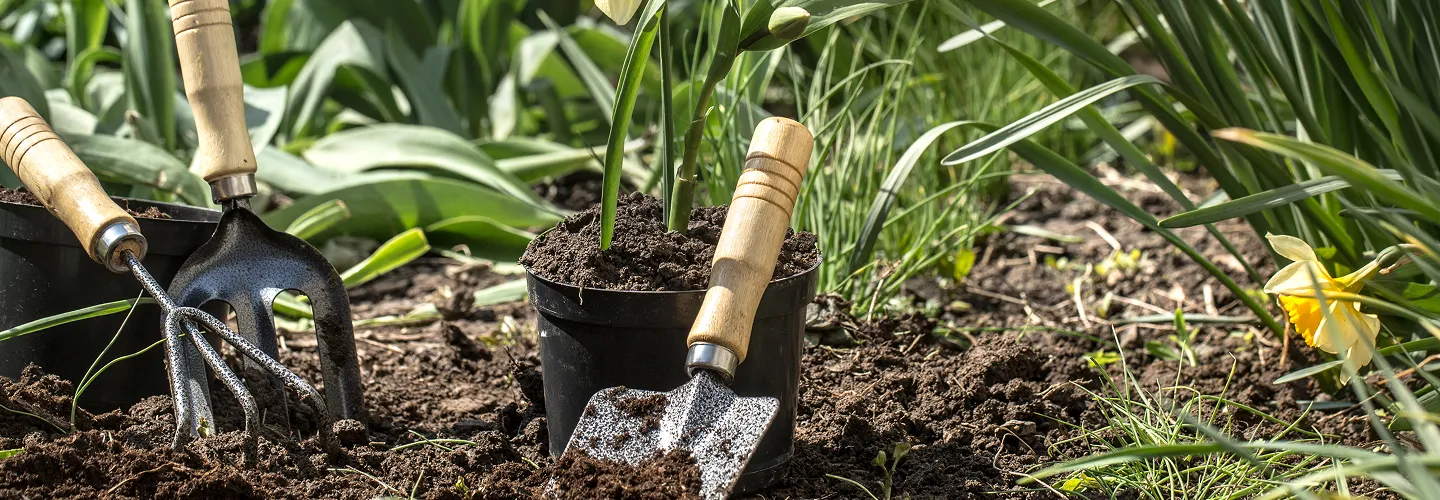
Johns Creek Pruning Services
Choose our professional pruning services to enhance your landscape’s beauty, promote healthy growth, and ensure the safety of your property with skilled, reliable care.
Get a Free QuoteOur Johns Creek Landscaping & Yard Care Services
When to Schedule Pruning in Johns Creek, Georgia – Seasonal Guide
In Johns Creek, Georgia, the best times to schedule pruning are typically late winter through early spring, just before new growth begins. This timing allows trees and shrubs to recover quickly and flourish as the weather warms. The local climate, characterized by mild winters and humid summers, means that pruning too late in the season can expose plants to disease or stress during peak heat and humidity. Neighborhoods like Medlock Bridge and the areas surrounding Newtown Park often experience microclimates, where shade coverage and soil moisture can vary significantly from one property to the next. Homeowners should also be mindful of the region’s average last frost date, which usually falls in early April, to avoid damaging tender new growth.
Additionally, Johns Creek’s rolling terrain and proximity to the Chattahoochee River can influence soil drainage and humidity levels, impacting the ideal pruning schedule. Local ordinances and municipal guidelines may also affect when and how pruning can be performed, especially in protected green spaces or HOA-managed neighborhoods.
Local Factors to Consider for Pruning in Johns Creek
- Tree and shrub density on your property
- Proximity to water sources like the Chattahoochee River
- Soil type and drainage (clay-heavy soils are common in Johns Creek)
- Average precipitation and drought risk during summer months
- Shade coverage from mature tree canopies
- Local frost dates and seasonal temperature swings
- Municipal restrictions or HOA guidelines
Benefits of Pruning in Johns Creek
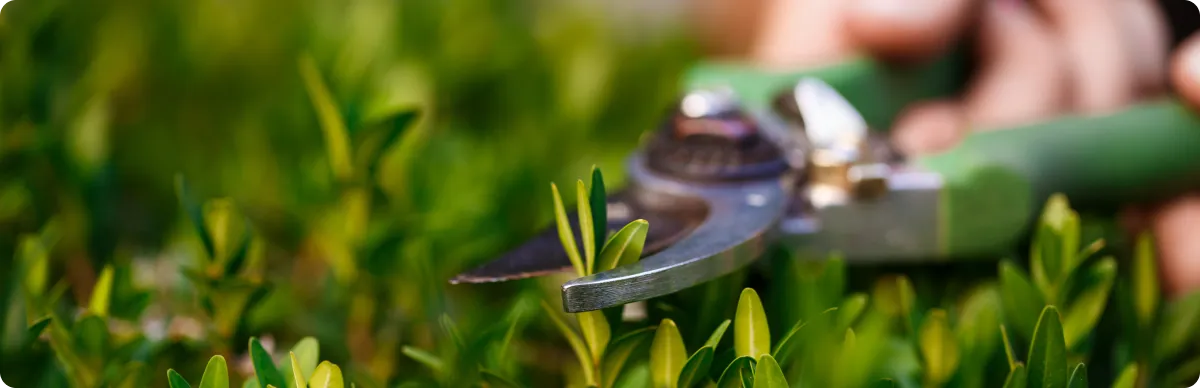
Enhanced Curb Appeal
Healthier Plants and Trees
Improved Sunlight Penetration
Reduced Risk of Disease
Professional Landscaping Expertise
Increased Property Value
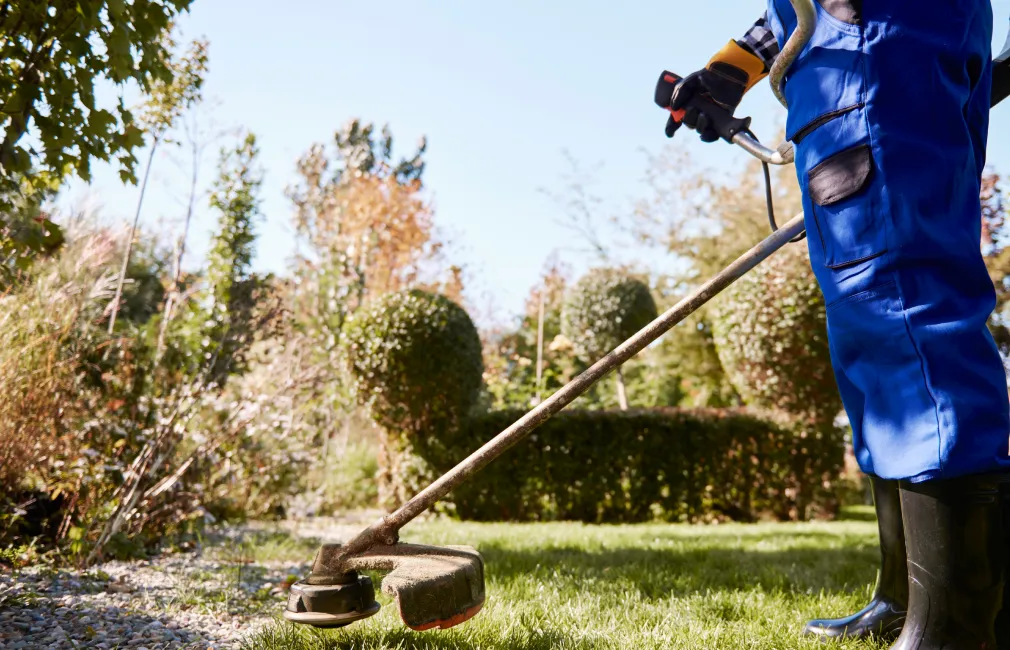
Johns Creek Pruning Types

Crown Thinning
-
Crown Raising
-
Crown Reduction
-
Deadwooding
-
Formative Pruning
-
Pollarding
-
Vista Pruning
Our Pruning Process
Site Evaluation
Plant Selection
Targeted Pruning
Debris Removal
Final Inspection
Why Choose Johns Creek Landscape Services

-
Johns Creek Homeowners Trust Us
-
Expert Lawn Maintenance
-
Reliable Scheduling
-
Competitive Pricing
-
Professional Team
-
Satisfaction Guarantee
-
Personalized Service
Pruning Timing and Johns Creek's Piedmont Climate Considerations
Johns Creek falls within USDA Hardiness Zone 7b, situated in Georgia's Piedmont region where warm, humid summers and mild winters shape the annual growth cycle of ornamental trees, flowering shrubs, and shade canopy species. Pruning timing is critical in this climate. According to UGA Cooperative Extension, late winter dormancy—typically late January through mid-March—is the preferred window for most deciduous trees and shrubs, as cuts heal more efficiently before spring growth resumes. Summer-blooming shrubs such as crape myrtles and butterfly bush should be pruned in late winter, while spring-blooming species such as azaleas and dogwoods are best pruned immediately after flowering, generally by late May. Avoid heavy pruning during the heat of July and August, when open wounds are more susceptible to disease and pest pressure. The National Weather Service Atlanta office provides local frost and temperature data useful for confirming dormancy windows each season.
Pruning Debris Disposal and Johns Creek Public Works Coordination
Proper disposal of pruning debris is a practical concern for property owners throughout Johns Creek. The city's residential yard waste collection program, administered through the Johns Creek Public Works Department, accepts bundled brush and limb material at curbside on scheduled collection days. Residents should follow these general guidelines when preparing pruning debris for pickup:
- Bundle branches no longer than 4 feet in length and no more than 2 inches in diameter per bundle
- Tie bundles securely with biodegradable twine or string
- Place debris at the curb by 7:00 a.m. on your scheduled collection day
- Do not place debris in the roadway, over storm drains, or in drainage ditches
- Confirm current collection schedules directly with Public Works, as routes and days may vary by neighborhood
Large-volume pruning debris from significant tree work may require separate coordination or private hauling. Verify current requirements before scheduling major pruning projects.
Johns Creek Public Works Department
11360 Lakefield Drive, Johns Creek, GA 30097
Phone: (678) 512-3200
Official Website: Johns Creek Public Works Department
Protecting Johns Creek Streams and Stormwater Infrastructure During Pruning
Johns Creek contains several sensitive water corridors, including portions of the Chattahoochee River corridor, McGinnis Ferry Road drainage areas, and numerous tributary streams and detention ponds throughout residential subdivisions. Pruning activities near these features require particular care to prevent debris, sawdust, and organic material from entering stormwater inlets or stream channels. The Johns Creek Water Quality Conservation program, operating under the city's sustainability framework, supports stream stewardship and stormwater protection consistent with Georgia EPD Watershed Protection Branch standards and the federal Clean Water Act. Property owners and contractors should:
- Keep pruning debris away from storm drain inlets and open drainage channels
- Avoid blowing or raking cut material toward curb drains during or after pruning
- Maintain a minimum 25-foot working buffer from stream banks where feasible
- Bag or contain fine debris before transport to prevent windblown dispersal into waterways
Compliance with local stormwater ordinances is the responsibility of both property owners and contractors performing the work.
Canopy Management and Zoning Considerations in Johns Creek
Johns Creek's Community Development Department oversees land use, zoning, and development standards that may intersect with significant pruning or tree canopy management decisions. While routine pruning of ornamental shrubs and small trees on private residential property generally does not require a permit, property owners should be aware of the following situations that may trigger review or coordination:
- Pruning that substantially alters the canopy of a protected or heritage-class tree
- Work within utility easements or public right-of-way corridors
- Pruning associated with a larger development or site improvement project subject to zoning review
- Removal of limbs overhanging neighboring properties or public infrastructure
The Johns Creek Zoning office can clarify whether specific pruning scopes require review under local development regulations. The Georgia Tree Council also provides urban forestry guidance relevant to canopy preservation and responsible pruning standards applicable throughout Georgia's Piedmont communities.
Johns Creek Community Development Department
11360 Lakefield Drive, Johns Creek, GA 30097
Phone: (678) 512-3200
Official Website: Johns Creek Community Development
How Johns Creek's Red Clay Soils Affect Root Zones and Pruning Response
The predominant soils in Johns Creek are Piedmont Ultisols, including the Cecil and Appling series—dense red clay and clay-loam profiles with limited drainage capacity and a tendency toward compaction in developed residential areas. These soil conditions directly affect how trees and shrubs respond to pruning. Root systems in compacted red clay are often shallower and more laterally spread than in well-drained soils, making canopy reduction pruning particularly important for reducing wind-load stress on structurally compromised trees. Key considerations for pruning in Johns Creek's clay-dominant landscape include:
- Avoid heavy root-zone disturbance during pruning operations near mature trees
- Recognize that drought stress—common during Johns Creek's July–August dry periods—can slow wound closure after pruning cuts
- Mulching the root zone to a depth of 2–3 inches following pruning helps retain soil moisture and moderate temperature extremes
- Consult USDA Web Soil Survey data to assess site-specific drainage and compaction conditions before scheduling major canopy work
UGA Cooperative Extension publications on Piedmont tree care provide additional guidance on pruning response in clay-heavy soils common to North Fulton County.
What Neighborhoods Do We Serve Throughout Johns Creek, GA?
- Medlock Bridge: A well-established subdivision with mature hardwood canopy and ornamental plantings requiring seasonal pruning attention; proximity to the Chattahoochee River corridor means debris management near drainage features is a priority.
- Shakerag: Features a mix of wooded lots and newer construction with significant tree canopy; red clay soils and slope variation affect root stability and pruning timing for large shade trees.
- Abbotts Hill: A developed residential area with HOA-maintained common spaces and ornamental shrub borders that benefit from structured seasonal pruning programs aligned with community standards.
- Parsons Run: Characterized by mature landscaping and established tree lines along interior streets; limb clearance over driveways and sidewalks is a recurring pruning need in this neighborhood.
- Technology Park Corridor: A mixed-use area with commercial and institutional landscaping where pruning for sightline clearance, signage visibility, and pedestrian safety near roadways is particularly relevant.
- Bellmoore Park: A newer subdivision with younger tree plantings and ornamental beds; early structural pruning during the establishment phase is critical for long-term canopy health in this area.
- Findley Road Corridor: Includes properties adjacent to stream buffers and detention areas where pruning debris containment and stormwater compliance are essential considerations during any canopy management work.